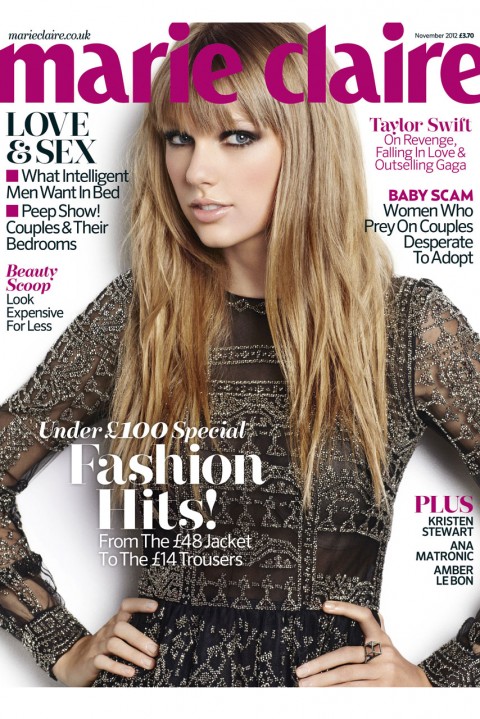
1.In relation to star image, who is similar to the
star you have tried to create and where do you draw influence from? (Taylor
Swift, Jess Glynne, Ellie Goulding - influence from their videos).
2.What are the key meanings you chose for your star image and what do these stand for? (Wanted our artist to be relatable to the target audience through clothing, young love and romance theme, organically synthetic so showed her in normal everyday life as well as studio).
2.What are the key meanings you chose for your star image and what do these stand for? (Wanted our artist to be relatable to the target audience through clothing, young love and romance theme, organically synthetic so showed her in normal everyday life as well as studio).


3.How would you say your website, digipack and
music video work together to reinforce the star meaning of your artist? (All
focused on our artist, bright bold colour scheme in digipack and website that
was professional as well as fun and girly because of the glitter theme to match
the video, she can connect to fans on the website which ties into her
presenting herself as relatable in her video).
4.In relation to your target audience, what would you say the genre of your music is and who would appeal to it? (Pop, younger, predominately female audience ages 15-25).
 5.Do you feel your products are accessible to your
target audience and link well to each other? (Yes, designed to be accessible, easy
to use, all aspects in all three products apply to the target audience,
complement each other you can find everything to need to know about the artist
from all three combine).
5.Do you feel your products are accessible to your
target audience and link well to each other? (Yes, designed to be accessible, easy
to use, all aspects in all three products apply to the target audience,
complement each other you can find everything to need to know about the artist
from all three combine).
6.Do you think your products relate to any of your target audience’s values and ideas in life? (yes, our target audience is in the stage of their life where they are starting to have relationships and explore that aspect of life, fun and free spirited which is an aspect in all the products, traditionalists – want to explore platonic and romantic relationships but also don’t want to grow up want to stay youthful without adult worries, therefore wanted to make video a realistic young relationship where couples may have ups and downs, continued through into digipak and website).
7.Do you believe the website is accessible enough to TA and how could it be more accessible? (Extremely simple, and easy to use. If you know how to navigate your way to a website which young people do now, it will be easy for our audience to navigate through the website. Links to social media on website also very accessible).
8.Do all your products cross-promote each other? (Yes, the themes in all relate, links and images of digipack on website to cross-promote. Links and actual video on website. The name on the digipack of artists and album means people can search this online and will immediately find website/video).
 9.Where would you like your final product to be
distributed and what media is currently being used for a cohesive marketing
campaign for your artist? (Currently our artists is mainly marketed and
promoted through YouTube as this is where her video is placed. As well as the
shops in which her album is sold in and the website. In the future we would
link to gain promotion through a Vevo account on YouTube for our artist as they
are a well know company that post various minor and major artist’s videos on
YouTube and audience’s recognise them, coverage in online blogs e.g.:
Huffington Post and then possibly MTV).
9.Where would you like your final product to be
distributed and what media is currently being used for a cohesive marketing
campaign for your artist? (Currently our artists is mainly marketed and
promoted through YouTube as this is where her video is placed. As well as the
shops in which her album is sold in and the website. In the future we would
link to gain promotion through a Vevo account on YouTube for our artist as they
are a well know company that post various minor and major artist’s videos on
YouTube and audience’s recognise them, coverage in online blogs e.g.:
Huffington Post and then possibly MTV).
4.In relation to your target audience, what would you say the genre of your music is and who would appeal to it? (Pop, younger, predominately female audience ages 15-25).

6.Do you think your products relate to any of your target audience’s values and ideas in life? (yes, our target audience is in the stage of their life where they are starting to have relationships and explore that aspect of life, fun and free spirited which is an aspect in all the products, traditionalists – want to explore platonic and romantic relationships but also don’t want to grow up want to stay youthful without adult worries, therefore wanted to make video a realistic young relationship where couples may have ups and downs, continued through into digipak and website).
7.Do you believe the website is accessible enough to TA and how could it be more accessible? (Extremely simple, and easy to use. If you know how to navigate your way to a website which young people do now, it will be easy for our audience to navigate through the website. Links to social media on website also very accessible).
8.Do all your products cross-promote each other? (Yes, the themes in all relate, links and images of digipack on website to cross-promote. Links and actual video on website. The name on the digipack of artists and album means people can search this online and will immediately find website/video).


The promotion of music is rarely all at the music. The music industry uses Visual Images as a key part of its marketing strategy. This is historically true for the Marketing of the Pop Music Video.
Keith Negus argues that the ‘pop music video is used as a promotional tool’. The star image used to brand the product. Branding is then used by the music industry to create a range of products for audiences across a range of genres and musical styles.
CD digipak covers are crucial artwork which markets the image of the artist, before the music is purchased. Music artist Websites are a common part of a marketing strategy, particularly in the online age.
Mike Masnick says artists must give the audience a reason to connect and they'll pay. Therefore, by selling our artist's star image through the main product and ancillary texts, fans can connect to her and will go on to purchase her music as well as her merchandise and tickets to her tour. Gerd Leonhard said the future of content is with the crowd and the cloud. This means artist should use the cloud to bypass the music industry to sell their products. Therefore, by selling Lila through the music video online, the website and her album which can be purchased or streamed and listened to online, her products are accessible to audiences through the cloud and this makes it easy for her to connect to them.
Mike Masnick says artists must give the audience a reason to connect and they'll pay. Therefore, by selling our artist's star image through the main product and ancillary texts, fans can connect to her and will go on to purchase her music as well as her merchandise and tickets to her tour. Gerd Leonhard said the future of content is with the crowd and the cloud. This means artist should use the cloud to bypass the music industry to sell their products. Therefore, by selling Lila through the music video online, the website and her album which can be purchased or streamed and listened to online, her products are accessible to audiences through the cloud and this makes it easy for her to connect to them.
How important is the image of the artist?
The visual ‘star image’ according to Dyer, communicates important messages to the audience. Audience often associate the look of an artist to a style of music. It’s genre. Some audiences idolise bands and singers, and see them as sex symbols, fashion icons and celebrities.
Websites contain information which publicise and promotes the artist and a range of information to an audience- or its fan base. Often this is organised into what Boyd has termed co-option.
Media marketing of pop star image have become Iconic and famous. Iconic images have helped retain the popularity of existing and legendary artists.


All music website are about promotion and information provided to the audience. They fall into three main categories:
1. Promotion of single or album release
2. Promotion of tour or live appearance
3. Merchandising –posters of an artist or band, sales T-shirt etc.
CD digipack are carefully constructed according to convention to communicate certain messages about the artist. Images may consist of album cover, photographs of the band artist, graphic and texts.
When considering how to campaign is marketed at an audience, Phillip Kotler’s definition of marketing bears significance. ‘Human activity directed at a satisfying needs and wants through exchange processes’ this means the selling of products and services. Marketing consist of four variables:
1.Price – how much the product will cost and how much is the consumer surplus
2. Place- how is the product distributed and marketed to the target audience
3.Product – what is being branded ( in this case the ‘star image’)
4. Promotion- how is it being advertised, where and publicised.
Our product would itself would be placed both physically and digitally in places HMV and Amazon alongside platforms such as Itunes and Spotfiy. We placed our song on Spotify which in turn will promote our artist and her brand so the audience will buy more of her products and music in the future.This is because, although some may prefer to buy a hard copy of the album, the majority of our target audience would choose to stream their music rather than own it, as they are a younger audience ages 15-25, and therefore by having Lila's album online this gives them easy access to listen to her music how they prefer to. Lila is also signed to Sony Records who would release her album just in time for her tour so the audience can become familiar with her music before watching her perform live.
Our product would itself would be placed both physically and digitally in places HMV and Amazon alongside platforms such as Itunes and Spotfiy. We placed our song on Spotify which in turn will promote our artist and her brand so the audience will buy more of her products and music in the future.This is because, although some may prefer to buy a hard copy of the album, the majority of our target audience would choose to stream their music rather than own it, as they are a younger audience ages 15-25, and therefore by having Lila's album online this gives them easy access to listen to her music how they prefer to. Lila is also signed to Sony Records who would release her album just in time for her tour so the audience can become familiar with her music before watching her perform live.


.svg/995px-4music_(logo).svg.png)

The types of magazines Lila would feature in would include Teen Now, Marie Claire, Teen Vogue and Shout Magazine. This is because Lila's main target audience are the people who would read these types of magazines (females age 15-25). Also, to further Lila's marketing campaign she could feature in magazines in America such as Seventeen and Teen Vogue in the US to begin to developing a more widespread fan base that expands to other countries.